Cultural Seeds and Civilizational Succession
Cultural EvolutionCivilizational RiskSystems ThinkingMeta-Crisis
78% fidelity
The Translation
AI-assisted summaryFamiliar terms
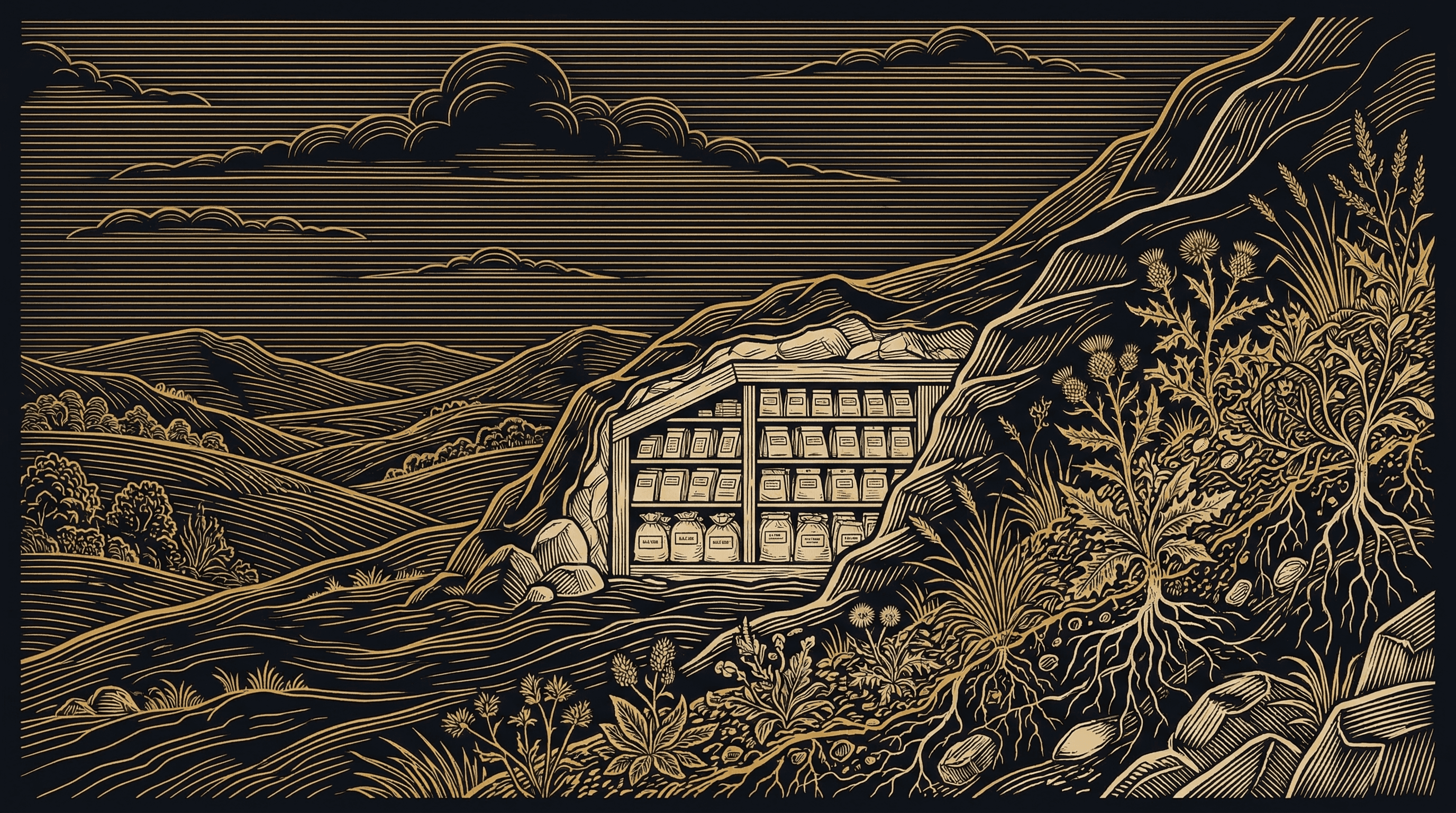
Resilience planning has a cultural blind spot. Most serious thinking about civilizational continuity focuses on material infrastructure — food systems, energy grids, supply chains — while neglecting the parallel question of which normative frameworks and social structures are positioned to persist through disruption and seed successor civilizations. The Svalbard Global Seed Vault offers a useful analogy: just as genetic diversity must be actively preserved against catastrophic loss, so too must cultural diversity and prosocial value systems be deliberately maintained if they are to survive periods of acute stress. The problem is one of differential preparedness. Communities organized around survivalist, authoritarian, or tribalist logics have spent the last decade building genuine resilience infrastructure — land holdings, supply networks, parallel institutions, and tactical social cohesion. Certain religious organizations have quietly assembled landholdings and community architectures that function as Viability nodes. By contrast, communities oriented toward cosmopolitan, pluralistic, and cooperative futures have largely invested in discourse rather than durability. The insight is not ideological but structural: cultural selection during collapse is not neutral. It favors communities with high internal cohesion, material self-sufficiency, and clear normative consensus — traits that correlate imperfectly, at best, with the values most associated with open and democratic futures. Prosocial communities face a genuine strategic deficit, and recognizing that deficit is the first step toward addressing it.
Connected Nodes
Mapping neighbors...